How to create posts that move people
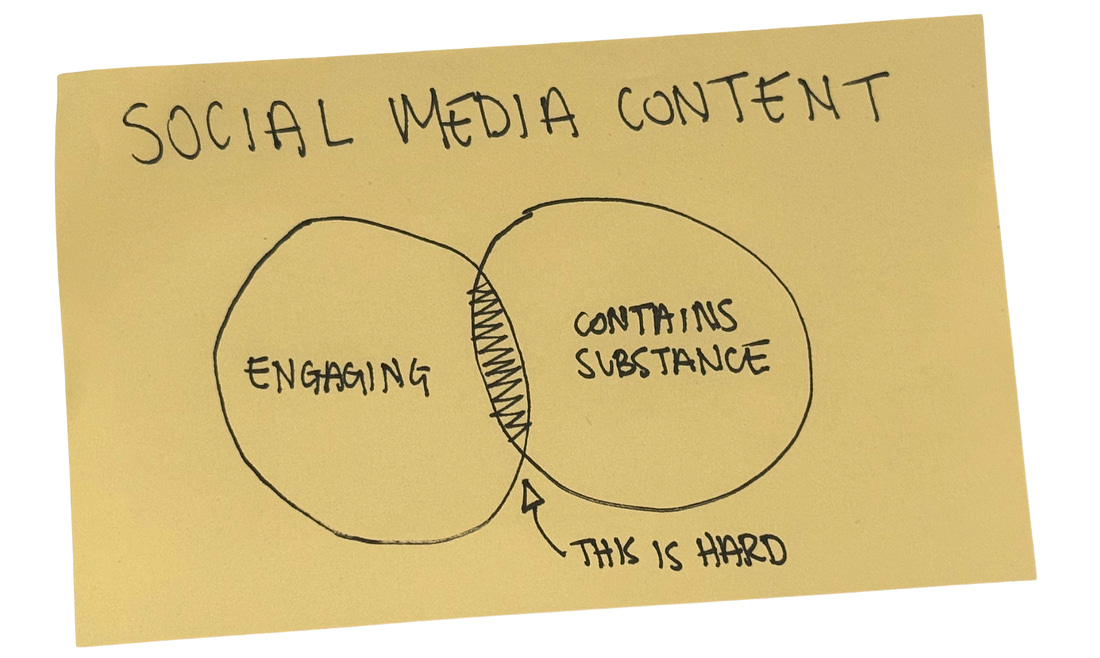
I sometimes wonder if we’ve over-indexed on what it looks like to be “social first”. Five years ago, it felt like a mandate: iPhone only, trends break through, attention at all costs. What have we lost? I understand that engagement—specifically shares and watch time—are signals that help a piece of content perform better. It’s a non-negotiable if you want to be seen. But I worry that we’ve slowly boiled out substance in search of performance. The sugar high of a trend feels good, but I have a feeling audiences want something more to chew on. Attention doesn’t always tell the full story of resonance.
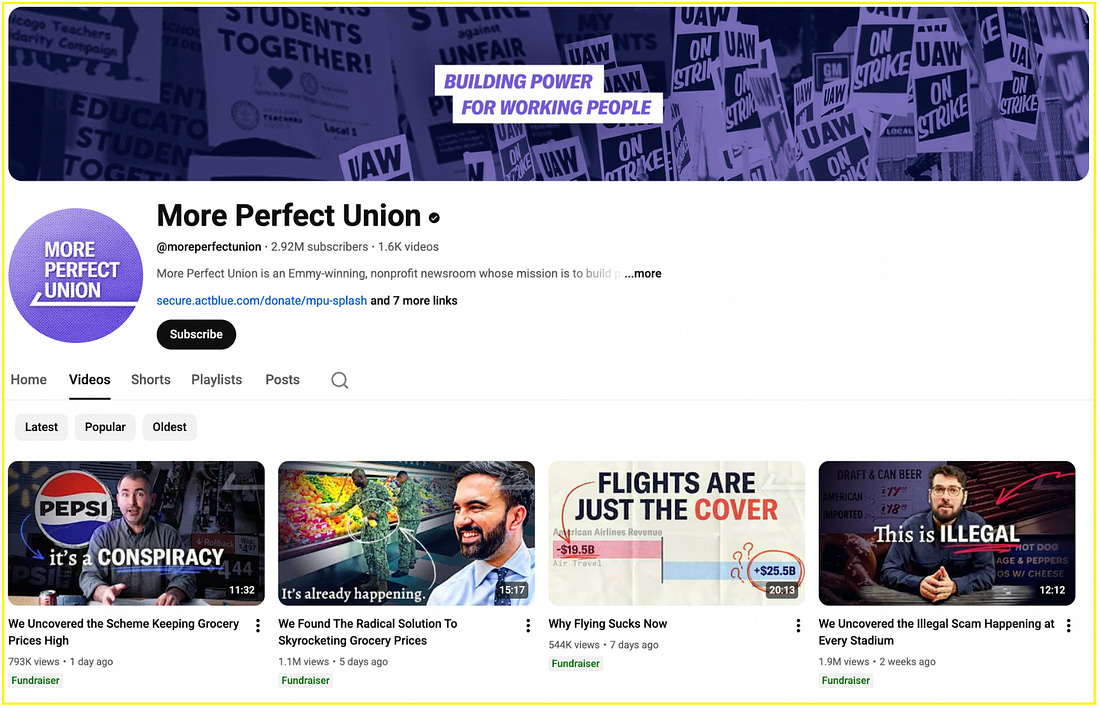
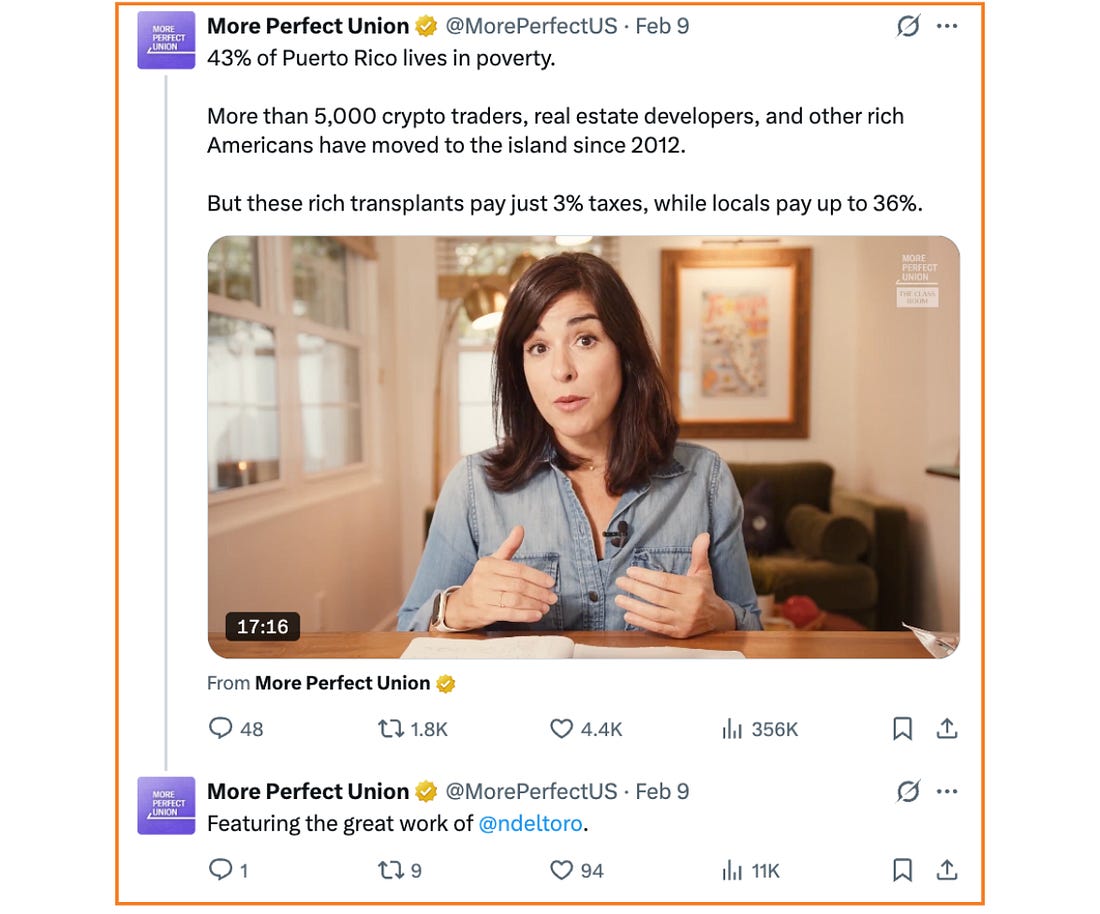
Of course, this isn’t true across the board. Plenty of accounts have been doing a great job at this. It’s hard work. One of those accounts is More Perfect Union, the nonprofit newsroom dedicated to building power for working people. They are one of the fastest growing partisan-leaning YouTube channels, according to Kyle Tharp, author of Chaotic Era. Their posts, like this investigation into stadium prices and this carousel on the median age of homebuyers being 59 years-old, regularly go viral. When I ask myself—What social media content has moved me lately?—their posts come to mind. 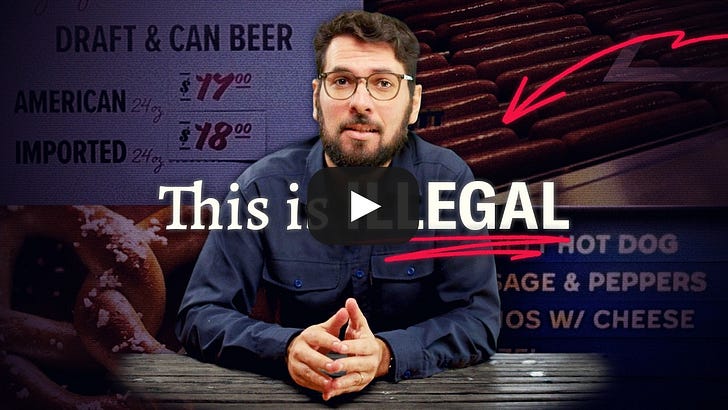 In today’s newsletter, I talked to Georgia Parke, Director of Audience Engagement at More Perfect Union. She oversees all of their day-to-day social media content, vertical video program, and distribution strategy for long-form videos. Her background is in politics—starting her career as a press intern for Bernie Sanders in his DC Senate office and eventually leading the social media and design team for his 2020 presidential campaign. We talk about how carousels contribute to follower growth, the role Shorts have played in their YouTube success, and why you can’t just rely on “fueling outrage to activate your audience”. Inside More Perfect Union’s social media strategy
Rachel Karten: If you had to sum up More Perfect Union‘s social media philosophy, what would it be? Georgia Parke: Build power for working people by producing substantive, informative content that can have real impact. Our audience is smart, informed, and desires substantive news content that relates to their lives—not to be patronized or told that everything is great when it obviously isn’t. My personal philosophy is also to give yourself as much room and permission as possible to be in the moment and responsive to news. I’m very resistant to making content schedules too far in advance or trying to make posts overly polished. On the Bernie campaign, we would joke that the more time we put into making a post, the less likely it would perform well. You should have high standards, yes, but not set so many rules for yourself that you waste time trying to follow them all. RK: What really stands out to me about More Perfect Union is how you show up in truly platform-first ways. The Twitter presence feels different from the Instagram presence—you meet people where they are. Which platforms do you consider your priority platforms? GP: More Perfect Union started out with a very YouTube-centric strategy, and a lot of our work is still focused on that audience. It’s our largest account by far at nearly 3M subscribers, and we’ve added more than half of those in the past year. Right now we’re very focused on building up our Instagram and TikTok in a similar way, with their own strategies and personalities that connect best with the people following us there. Our journalism and social content runs on several different timelines. We do mini documentaries that are produced over weeks or months; create vertical videos with on-the-ground reporting produced in days; and engage with news on a daily or hourly basis. But the common thread among all is relevance and substance. No matter what platform something goes on or how long it takes to produce, it needs to be relevant to the current moment and our audience, and it needs to give people some substantive information or storytelling.
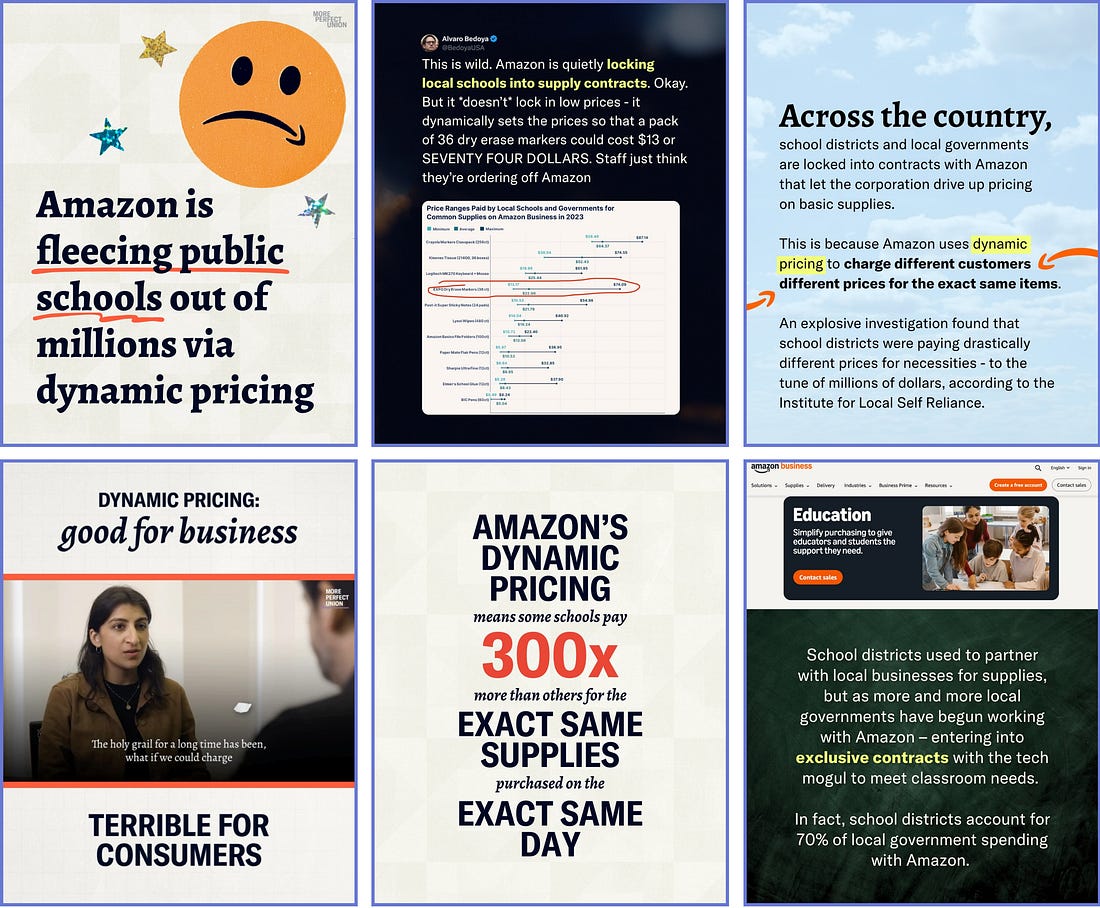
RK: Researcher Kyle Tharp recently published a chart showing that More Perfect Union was one of the fastest growing partisan-leaning YouTube channels in 2025. What do you attribute that growth to? GP: Our team produced over 100 incredible long-form videos last year that covered everything from why skiing has become a terrible experience to talking to Trump voters with Bernie Sanders in West Virginia. We also went all-in on producing vertical videos a year ago, and that drove fantastic growth on YouTube. In 2025, we had nearly as many views coming from Shorts as we did from our regular channel videos.  But separately from any particular tactic or format: I think many people are eager to see journalism and social media content that tells the news through a working class lens, about the labor movement, the economy, corporate accountability, political corruption, and more. I think a lot of people find our content refreshing and unique, and can see themselves represented in stories about working people speaking on the realities of the current economy. RK: Can you share an example of a long form YouTube video that you cut down into a successful short form video? What sort of things do you keep in mind when converting long form to short form? GP: We try to produce cut-downs that don’t necessarily condense the full video but pull out a compelling piece of it. We’re also not trying to leave you hanging or drive you to our site; we want you to get a full piece of compelling info even if you only watch for a minute or two. For example, this video about the impacts of a Meta data center was cut into this clip focusing on one of the individuals in that story. It’s our most-viewed Short ever and led to Meta reaching out to the affected person directly. RK: I also recently covered your Instagram carousel strategy in the newsletter. They are really great! Can you talk to me about your approach to carousels and some of the success you’ve seen from posting them? GP: Carousels are a central piece of building up our Instagram audience. Especially when they are tied to breaking news—such as workers launching a strike at Starbucks or the election of Zohran Mamdani—they tend to bring in more followers than single slide posts. They’re also very helpful way to repackage our videos and investigations for a different audience. For example, our social team put together this great carousel based on an investigation of Instacart by one of our video producers. We’ve also used carousels to collaborate with other outlets; on this post, we worked with BreakThrough News to illustrate their report on how people’s retirement accounts are funding ICE.
RK: A lot of media companies are struggling to break through on social media right now, especially when so many platforms suppress links. What are some tactics you implement to make sure your posts get seen? GP: We don’t rely on link sharing very much because we usually post content directly on the platforms themselves to maximize engagement there. Unlike many other news outlets or companies, we’re not aiming to drive traffic to a website. We’re also constantly looking for opportunities to collaborate and crosspost with other pages and outlets to reach other audiences that might not know about us yet. RK: In my interview with Melted Solids they told me “well-produced media is a weapon in any fight”. It really stuck with me. A lot of people who read this newsletter work in corporate social. Some see what’s happening in the world today and want to use their digital skills for good. What advice would you give them? GP: I have to stay on message here—unionize your workplace! But also, I’m very lucky to work in a role that enables me to do advocacy work I care about. I know that’s not the case with many social media jobs—but there are countless ways to support your community or causes you are invested in if you have a solid skillset in digital or social. Movements need communicators and designers and videographers, too. And you don’t have to have access to a multi-million-follower account to do something impactful. RK: Last week, Twitter was debating how to create content with substance that also captures attention. I'd consider More Perfect Union to be very good at finding this balance. What kind of content do you think actually mobilizes people? GP: We have entire meetings and Slack channels dedicated to finding the perfect titles, tweets, and thumbnails that will accurately represent the story and grab the most attention possible. It takes a lot of work but makes a huge difference in viewership, especially when the subject matter is not particularly sexy (i.e. anything with the word “tariffs”). But beyond engagement strategy, I also think you can’t rely just on fueling outrage to activate your audience. You might need to lean into some conflict or tension, but people won’t be mobilized if they watch your video and just feel despair. They need something specific to get behind. In our videos we try not just to identify and explain a problem; we also lay out potential solutions. This might be proposed legislation, regulatory action, a union’s list of demands, or an international or historical success story. We want to provide a blueprint for a world where working people aren’t subject to the whims of the billionaire class and can live in security and dignity. Five takeaways from my conversation with More Perfect Union
Ask me anything!Quick reminder that I am going to use an upcoming newsletter to answer reader questions about social media strategy. Want my advice, feedback, or thoughts on something social related? Submit your questions here. If you enjoy free interviews like this one, you can upgrade to a paid Link in Bio subscription. You’ll get weekly strategy newsletters and quarterly trend reports, along with access to the Link in Bio Discord. Here’s what one person said about the Discord community: “Definitely an essential place to be for anyone managing social media. As close as you can get to the pulse—and one of the best places to get insights from others in the industry.” It might even be an educational expense at your company! Here’s a template for you to use when asking. And if you’re already a paid subscriber, ignore this and thank you! You’re currently a free subscriber to Link in Bio. For the full experience, upgrade your subscription.
|