We're gonna talk controversial social media myths in a moment… but here's a wonder… would you want to write an issue of Future Social? I'm quite proud that I've penned 150+ essays of my own original thinking, but I'd love to start featuring your big brains in the newsletter. |
I'm looking for original ideas & innovative takes with strong stances. If you're interested, reply to this newsletter with: |
a topic you want to write about your strategic take on the topic An outline of 3-5 points you'd make in the piece
|
Excited to check my inbox after this (a phrase I never thought I'd say). |
But right now, how about we dig into the most common social media myths, how to start sharing your personal work on LinkedIn, and whether your phone is listening to you. |
—Jack Appleby |
|
|
|
If you're a marketer, you know you should be writing on your LinkedIn. |
The problem is you open a blank doc, stare at it for 10 minutes, then decide you'll "do it tomorrow." (Tomorrow never comes.) |
That's why I made Break an Egg! |
It's a $5/month thing where I send you one writing prompt for every day. Not "post inspirational content" prompts—actual questions that help you dig into your own career and realize you've done way more interesting stuff than you think. |
Projects. Opinions. Lessons. Stuff you already know, but haven't turned into posts yet. |
It's meant for people who want to start building a personal brand on LinkedIn without feeling weird, fake, or like they suddenly have to become a creator. |
If you've been telling yourself "I really should start writing," this is the lowest-pressure way I know to do it. Sign up right here! |
|
10 social media myths that need to die. |
|
Is Shadowbanning real? Do Paid Partnership posts automatically get throttled because Meta wants you to spend more money? Do social posts with links die because platforms want you to stay there? |
We've all got a million questions about the algorithm, and for good reason—social networks don't exactly have a rich history of transparently sharing information with us. Most of the industry's best practices were developed by social media managers in the work, not the platforms themselves. |
And because we had more questions than answers, we came up with our own answers… most of which were wrong. |
I wanna get into some of those big social media myths that just don't seem to die. |
Shadowbanning is not a real thing. |
Mosseri has been clear that there is no secret punishment system quietly throttling accounts. Posts can be downranked if they violate recommendation guidelines, but that's not the same thing as being shadowbanned. The myth survives because it gives failure a villain. |
Instagram's microphone is not listening to you to serve you ads. |
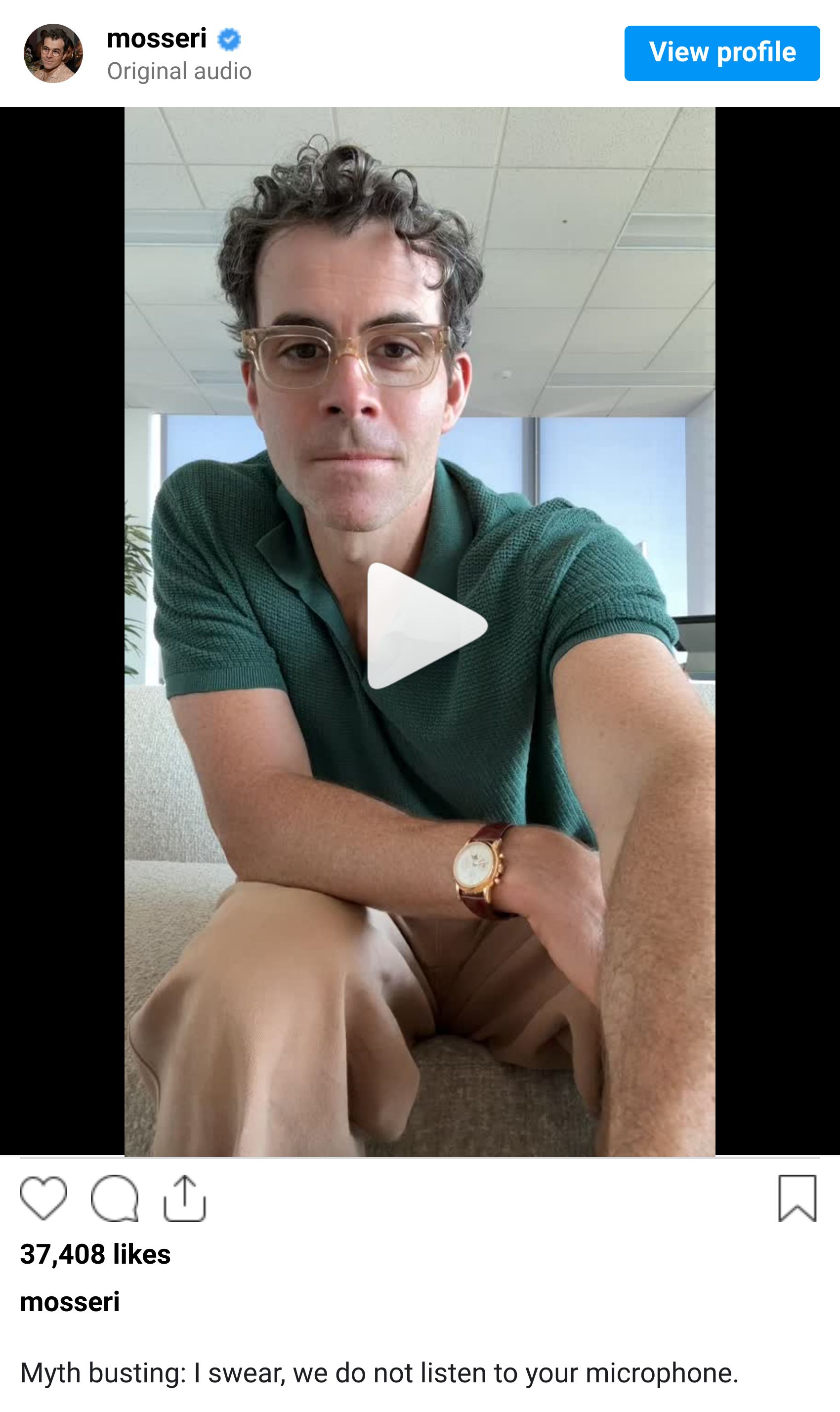
Do you realize how insane the FTC violations would be if your phone was just listening to you? This myth's always been crazy, and shows how little we realize about the data we give out. If you get an ad and think it's because your phone heard you, I guarantee it's because you've triggered something with your search or social to get that ad, not the mic. But here's the head of Instagram on the topic: |
|
Posting too much will not hurt your reach. |
You can post as much as you want with no algorithmic punishment. Good content will perform, bad content won't perform. So if you've got enough good content to post more than once a day? Go for it! |
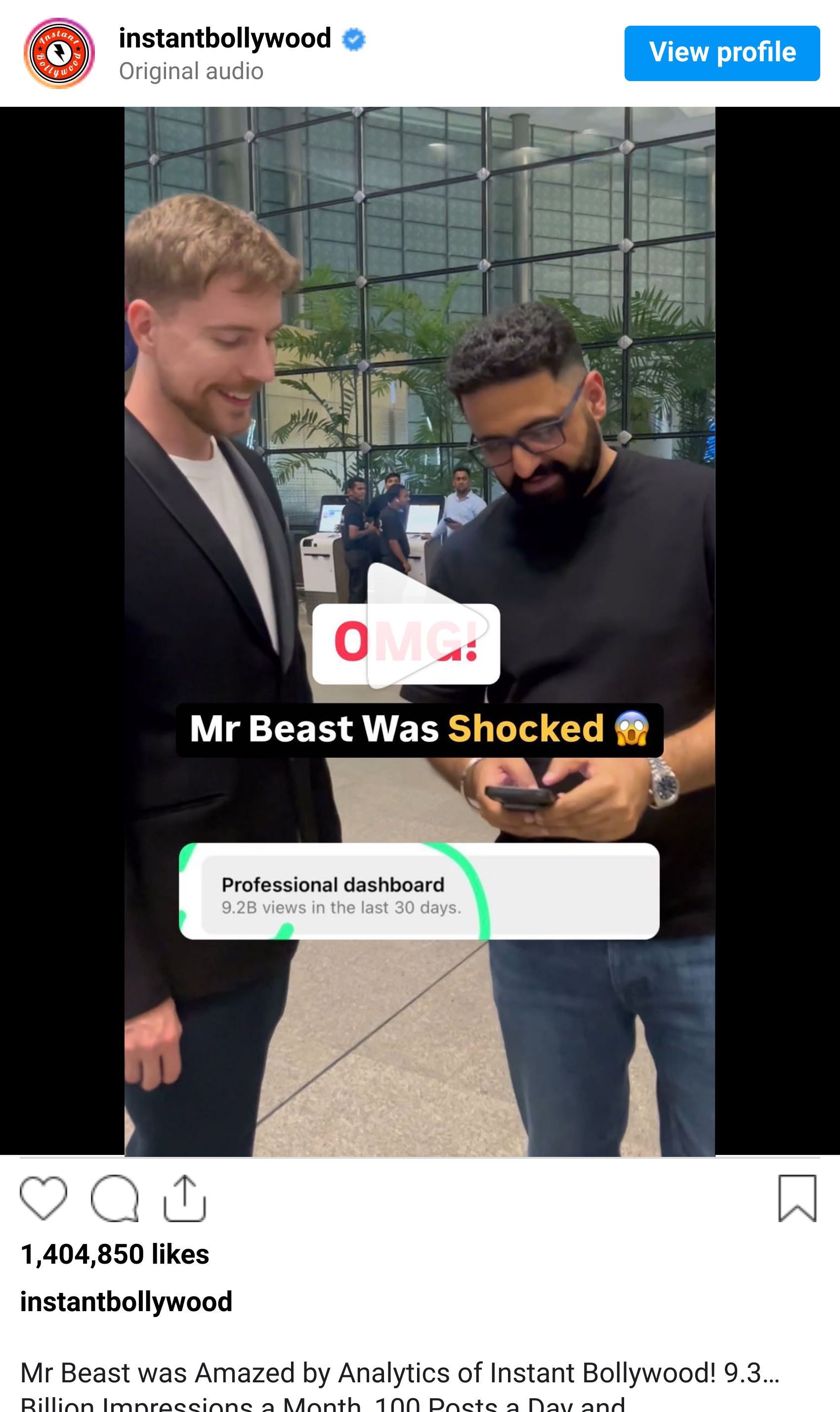
Here's the extreme example: Instant Bollywood posts 100 times a day (not hyperbole)…. and did 9.2 BILLION views in a month. Watch them stun MrBeast when they reveal their analytics. |
|
Scheduling content will not hurt your reach. |
Maybe the oldest unfounded myth in social. Every platform has said that you're free to use their native tools or any scheduling tool to post content. And you SHOULD be scheduling your content—it's the only way to get ahead, batch work more effectively, and spend more time on what you love: making better content. |
Brand partnership tags on influencer posts do NOT limit reach. |
Wanna know why brand content doesn't usually perform as well as organic content? Because most brands don't let creators be their wildly creative selves. There is zero evidence of social networks limiting reach. Hell, some of my sponsored content are my highest performers. Check this sponcon I did for my hoops account with Relay—I only have 71,000 followers on TikTok, but the video organically did 130,000 views because they let me pull off my creative idea. |
 | Watch now on TikTok | @howtohoopforever | I lost $5000 running my own pro basketball team last season… I, uh, don't want to do that again, so I'm running this like a real business ... See more |
|
|
|
You do not have to post social content every day. |
You do need to have some consistency, but it doesn't have to be daily. In a call with Meta last year, they told me 3x a week keeps you consistently in the algorithm, ready to be recommended to people. I'd suggest at least hitting that (plus we work in social, 3x a week shouldn't be hard!) |
Hashtags do not increase the reach of your content |
Nope. Hashtags help with categorization and context. They're a steering wheel, not a gas pedal. With modern algorithms and AI, the social platforms are reading your captions and content for keywords, getting the same effect as that pile of hashtags you used to throw on content. I'll tack one or two on the end of my captions if I can't figure out how to naturally weave a word in, but that's about it. |
Editing in third-party apps like CapCut or Adobe does not hurt performance. |
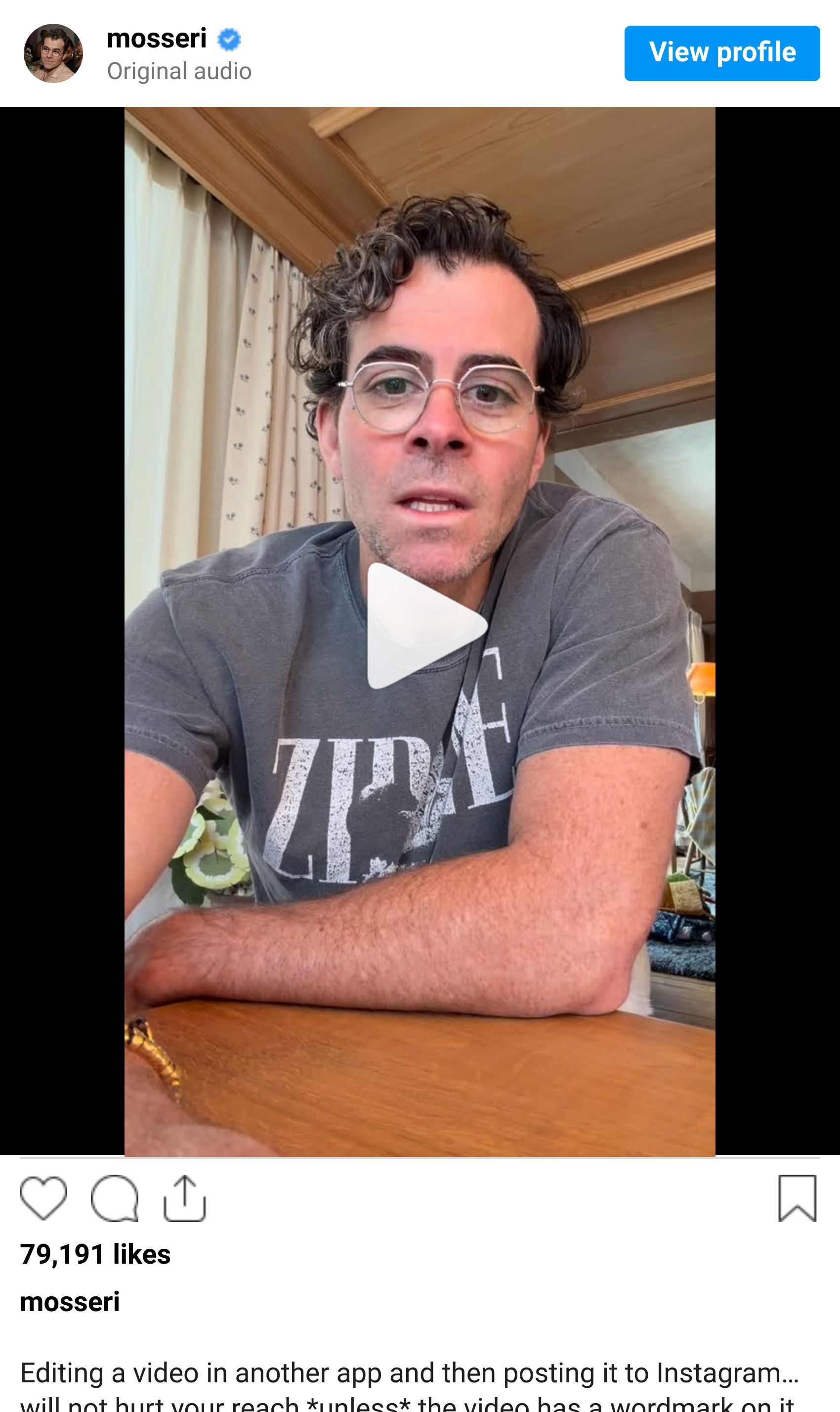
You can use any editing tool you want to make content! It won't hurt you. There are two notable exceptions you should know, though: |
Do not leave watermarks from editing apps or other social networks. If you're reposting a TikTok on Instagram Reels, make sure it doesn't have TikTok watermarks. If you're using Capcut, make sure that CapCut endslate isn't there. Each social network watches for watermarks and could limit reach. Instagram has said there's light additional boost for content edited in Edits, their CapCut competitor. Personally, I don't think it's enough to warrant learning a new tool, but hey, if you're curious, maybe you'll get a tiny boost.
|
|
External links do not hurt your reach. |
There's no evidence of link punishment. Posts with links often perform worse because people leave the app, not because they're suppressed. That distinction matters. And remember, social media marketing is marketing—sometimes we HAVE to post links, and that's okay! |
There is no magical best time to post social content. |
I groan every time I see a "this is the best time to post social content" or "we studied 10,000 brands to see when they post content" whitepaper. Post content when people are awake, and your content will do just fine. Hell, you can even post at weird hours and still get big numbers. Because, say it with me: good content finds a way, and if it doesn't, it's not good content. |
When in doubt? Ask Mosseri. |
If you don't want to take my word for it, take his. |
Adam Mosseri has spent the last few years consistently answering the exact questions this industry keeps guessing at. AMAs on Stories. Reels explaining ranking. Interviews. Blog posts. He's been remarkably direct about what impacts reach and what doesn't. |
You don't have to love Meta. You don't have to agree with every product decision. But if the head of Instagram has been publicly repeating the same explanations for years, and your theory requires assuming he's lying about all of it, that's on you. |
Why We Still Don't Believe It |
Because the real answer is uncomfortable. |
You're not being secretly throttled. Your content just isn't capturing the hearts of the people you want. But hey, it feels easier to blame someone else than take responsibility for our own content. |
|
Social Cues |
|
There are so many social big thinkers out there, writing all kinds of amazing strategies, analysis, and breakdowns. All ships rise with the tide, so here are a few reads from other places I think you could learn from. |