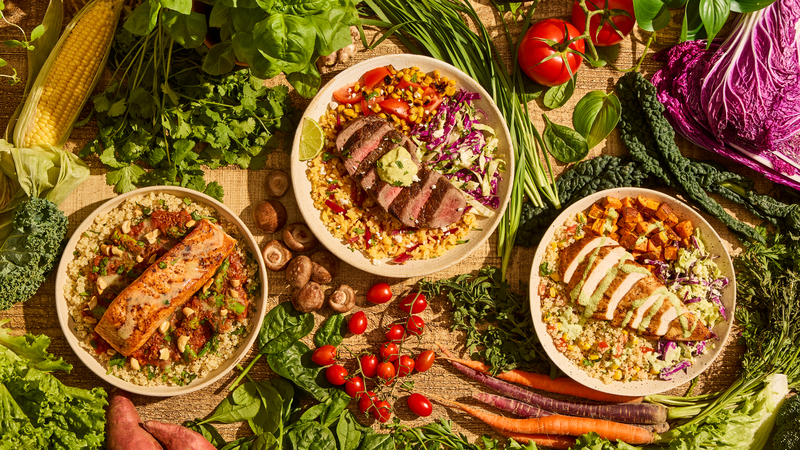
| | Iron is one of those nutrients everyone knows they need, but not everyone is aware of the best sources. Spinach, for example — and even that association mostly comes from a cartoon sailor with improbable forearms.
Iron shows up in a wider range of foods than most people realize, but how much do you need, what helps your body absorb it, and when might you need to reach for a supplement?
Today, Michelle Steil, health coach at Healthline's sister brand, Real Appeal, reveals the best dietary sources of iron, some surprisingly easy ways to sneak it into your meals, and when it might be time to talk with a doctor about supplementation. | | | | | | | Let's put it to the expert,
Tim Snaith
Newsletter Editor, Healthline |  | | Written by Tim Snaith
March 19, 2026 • 3 min read | | | | | | 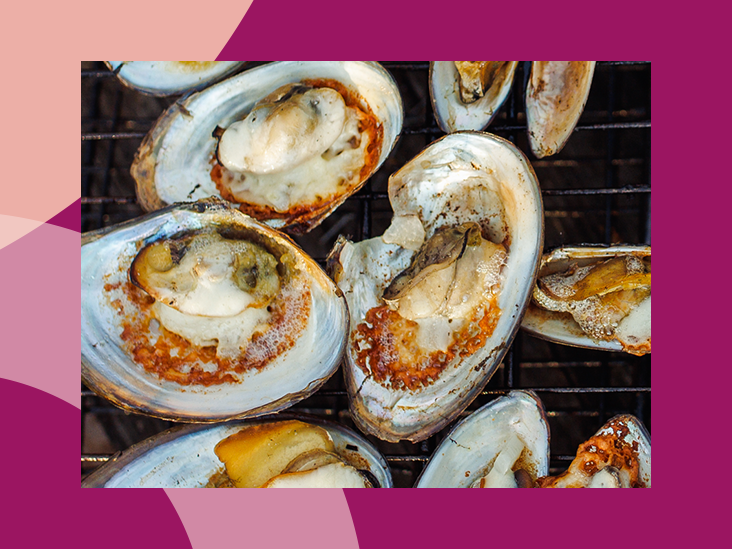 | | | | Q: | What is the best way to increase the amount of iron I get from my diet? | | | A: | Here's something most people don't realize: there is a delicate balance in the amount of daily iron intake. Too little can leave you fatigued and vulnerable to iron deficiency. Too much can cause serious side effects.
How much iron the body needs depends on factors such as age, biological sex and gender, how well the body absorbs iron, and even social determinants like access to nutritious food. So before loading up, it helps to understand where iron comes from — and how to get the right amount.
What is the one iron-rich food that most people know? Spinach! And why is that? Popeye the Sailor, of course. The cartoonist's choice of spinach as Popeye's source of superhuman strength is not exactly science-backed, but it did raise awareness around the importance of iron.
There are ways to add this vital mineral to your meals and snacks beyond spinach, and some may surprise you. Iron in food comes in two varieties:
🥩 Heme (animal) sources: beef, poultry, shellfish such as oysters and mussels, tuna
🫘 Non-heme (plant) sources: beans and legumes like chickpeas and lentils; dark greens including spinach, kale, and broccoli; nuts and seeds (especially pumpkin and sesame), quinoa
Though research is limited, there is evidence that cooking in cast iron can actually enrich your food with iron — an easy, passive boost most people never think about.
If your family members are picky eaters, sneak raisin packs in their lunches or backpacks, and keep all-natural peanut butter at home as a staple to serve with mini carrots or apple slices. Other dried fruits, such as peaches, apricots, prunes, and figs, are high in iron and make great substitutes for processed sweets.
Despite these efforts, certain instances may indicate the need for an iron supplement. It's always best to ask a medical professional before starting any supplement — especially since consuming too much iron can be just as problematic as not getting enough. If you notice symptoms, consult a professional. | | | | | | | Want to learn more about food, diets, cooking, or some other nutrition subject? Let us know at nutritionedition@healthline.com and we'll look into it for you! (Heads up, we may use your response in an upcoming newsletter.) | | | Sponsored by | |  | | | | | Home-cooked meals with restaurant quality | | | | |  | | GreenChef | | Whether you live alone, with a partner, or with kids, thinking about what to serve at mealtimes can be stressful, or sometimes even get shoved onto the back burner. With GreenChef, that becomes a thing of the past. Select your meals (and servings) from their weekly menu of chef-crafted, dietitian-developed, organic recipes curated to meet multiple dietary needs, and wait for your box to arrive at your door. As a meal delivery service designed to fit your routine, skip, pause, or cancel anytime before your weekly cutoff. Use code HLM50FB to receive 50% off your first box, plus 20% off for 2 months! | | | | Every product we recommend has gone through either Healthline's or Optum Now's vetting processes. If you buy through links on this page, we may receive a small commission or other tangible benefit. Healthline has sole editorial control over this newsletter. Potential uses for the products listed here are not health claims made by the manufacturers. Healthline and Optum Now are owned by RVO Health. | | | | | | | | | | | | What we're digesting | | 💉 Your first week on Wegovy. What to expect, from side effects to appetite changes. | | 🫁 5 tips to help prevent pneumonia. Vaccines and some everyday habits can help protect your lungs. | | 🦷 Multiple myeloma and your mouth. Some oral symptoms are easy to overlook. | | 🔬 What causes bladder cancer? Learn more about the risk factors and progression. | | | |   | | | Until next time, |  | Take care of yourself, and we'll see
you again soon! | | | | |  | | This edition was powered by | | a new French press. ️ | | | | |