Defeat inflammation one bite at a time!️
͏ ͏ ͏ ͏ ͏ ͏ ͏ ͏ ͏ ͏ ͏ ͏ ͏ ͏ ͏ ͏ ͏ ͏ ͏ ͏ ͏ ͏ ͏ ͏ ͏ ͏ ͏ ͏ ͏ ͏ ͏ ͏ ͏ ͏ ͏ ͏ ͏
| |
| Sponsored by |
|
 |
|
|
|
|
| |
|
|
| Inflammation is a hot topic these days ... especially in our inbox! Last Monday, we wrote about the best foods for better circulation. Many of you emailed us to ask what to eat next to reduce inflammation. So, here we are today to cut through the noise and talk about an anti-inflammatory diet. |
|
|
|
|
|
|
Let’s find out,
Sarah Choi
Newsletter Editor, Healthline |
 |
|
Written by Sarah Choi
June 5, 2026 • 2.5 min read |
|
| |
|
|
|
|
| |
 |
|
|
| What to eat to reduce inflammation |
| Despite what you see on social media, inflammation isn’t this one-dimensional, always bad thing. It can actually help your body defend itself against infection and injury! But constant, chronic inflammation may increase your risk of certain diseases. Other factors, such as stress, low physical activity, and inflammatory foods, can increase this risk. |
| But, as there are foods that can increase inflammation, there are also foods that can decrease it. Here are a few foods you may consider adding to your menu: |
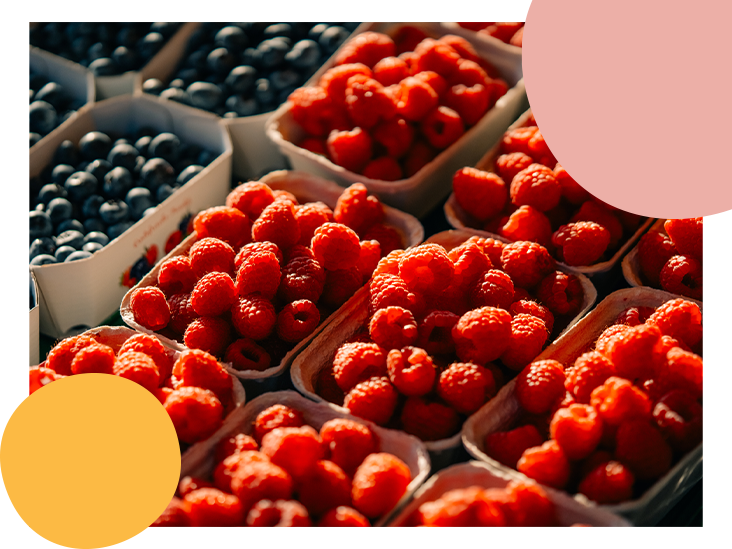
| 🍓 Berries: Strawberries, blueberries, raspberries, blackberries — all of these are great choices when it comes to reducing inflammation. They contain a type of antioxidant called anthocyanins, which have anti-inflammatory effects that may reduce your risk of some diseases. |
| 🐟 Fatty fish: Fatty fish are a good source of EPA and DHA, which are omega-3 fatty acids. Your body breaks these fatty acids down into compounds called resolvins and protectins, which have anti-inflammatory effects. |
| 🥦 Broccoli: Cruciferous vegetables like broccoli contain antioxidants. Eating these veggies is associated with a decreased risk of heart disease and cancer. |
| 🥑 Avocado: Avocados contain monounsaturated fats, carotenoids, and tocopherols, all of which support your heart health. One 12-week study in adults with excess weight found that those who ate avocados had lower levels of certain inflammatory markers. |
| 🍵 Green tea: If you love your daily matcha, you may already be making strides toward decreasing inflammation! Green tea contains a compound called epigallocatechin-3-gallate (EGCG) that inhibits inflammation. Drinking green tea may also reduce your risk of heart disease, cancer, obesity, and other conditions. |
| 🌶 ️Peppers: Bell peppers contain an antioxidant called quercetin, which may help reduce inflammation associated with chronic conditions like diabetes. Chili peppers contain sinapic acid and ferulic acid, which may help reduce inflammation and support healthy aging. |
|
|
| 🫐 Over to you: What’s your favorite food on this list? Email wellnesswire@healthline.com to let us know! |
| |
|
|
| |
| Sponsored by |
|
|
|
|
|
| Stop the itch in its tracks |
| |
| |
| |
 |
| Ivarest |
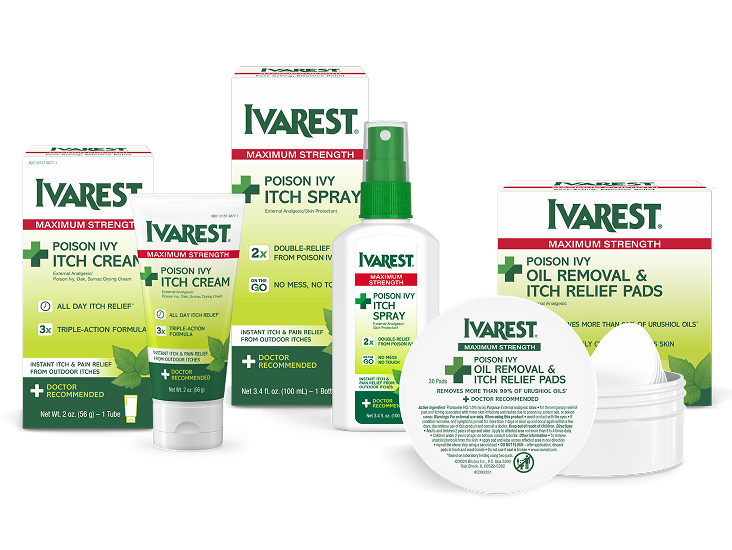
| Warmer weather means finally getting back outside after hibernating indoors for the winter. But that breath of fresh air comes at a cost — itchy insect bites. Instead of relentlessly scratching at them, apply one of Ivarest’s fast-acting and long-lasting itch relief products available in cream, spray, or pad forms. You can also use these doctor-recommended treatments for discomfort from poison ivy, oak, and sumac or minor skin irritations. Plus, this purchase might be FSA- or HSA-eligible depending on your insurance plan! |
|
|
| Every product we recommend has gone through either Healthline’s or Optum Now’s vetting processes. If you buy through links on this page, we may receive a small commission or other tangible benefit. Healthline has sole editorial control over this newsletter. Potential uses for the products listed here are not health claims made by the manufacturers. Healthline and Optum Now are owned by RVO Health. |
| |
|
|
|
| |
|
|
|
|
| |
| |
| |
| Until next time, |
 |
Take care of yourself, and we’ll see
you again soon! |
| |
 |
| |
 |
| This edition was powered by |
| street corn. |
| |
|
|
|
|
|
View in browser
Did a friend send you this email? Subscribe here.
To see all newsletters, click here.
Privacy | Unsubscribe
We may feature your messages to our inbox within our content. Please do not provide any personal identifiable information. Replies may be edited for length and clarity. For more, see our Privacy Policy.
Our website services, content, and products are for informational purposes only. Healthline does not provide medical advice, diagnosis, or treatment and should not be used as a substitute for medical advice from a healthcare professional. Healthline encourages you to make any treatment decisions with your healthcare professional.
Every product we recommend has gone through either Healthline’s or Optum Now’s vetting processes. If you buy through links on this page, we may receive a small commission or other tangible benefit. Healthline has sole editorial control over this newsletter. Potential uses for the products listed here are not health claims made by the manufacturers. Healthline and Optum Now are owned by RVO Health.
© 2026 RVO Health
1101 Red Ventures Drive
Fort Mill, SC 29707 |
| |
|
|
  |
|
|
|
|