Early detection is key.️
͏ ͏ ͏ ͏ ͏ ͏ ͏ ͏ ͏ ͏ ͏ ͏ ͏ ͏ ͏ ͏ ͏ ͏ ͏ ͏ ͏ ͏ ͏ ͏ ͏ ͏ ͏ ͏ ͏ ͏ ͏ ͏ ͏ ͏ ͏ ͏ ͏
| |
|
|
| Did you know that breast cancer is the second most common cancer among women (behind skin cancer)? Try not to let that fact scare you. 90.8% of women with breast cancer survive for 5 years after diagnosis, regardless of the stage. |
| My doctor recently recommended that I get a double breast ultrasound. So, I went and endured what felt like endless uncomfortable poking and prodding. I found out that benign cysts are the cause of my discomfort, but the staff stressed the importance of keeping up with regular screenings — at a clinic and on my own. |
| Today, we’re sharing step-by-step guides on how to do physical and visual breast self-exams from home. |
|
|
|
|
|
|
|
|
Be well,
Morgan Mandriota
Newsletter Editor, Healthline |
 |
|
Written by Morgan Mandriota
August 3, 2026 • 2.5 min read |
|
| |
|
|
|
|
| |
 |
|
|
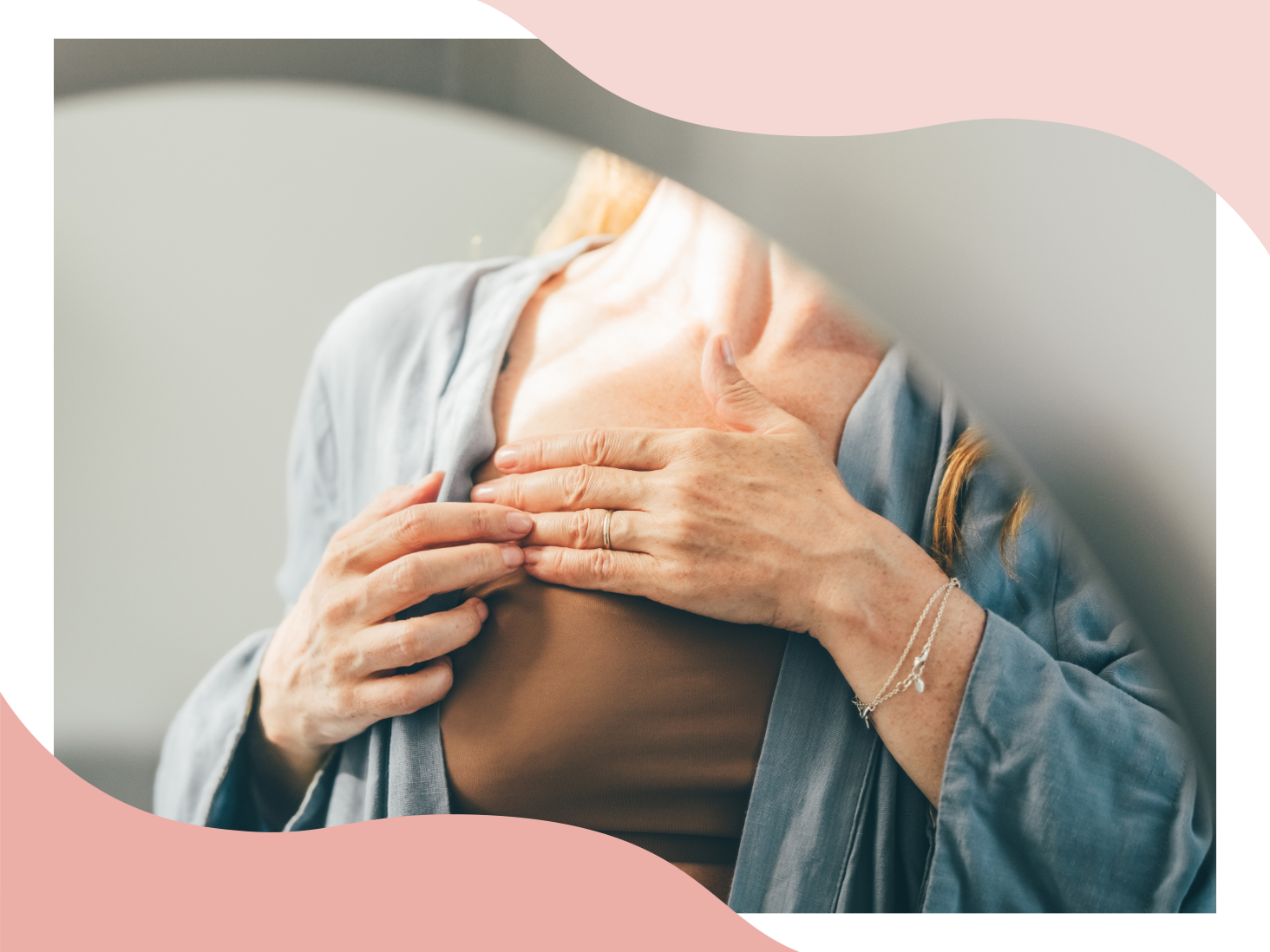
| A step-by-step guide to physical and visual breast exams |
| Early detection plays a key role in protecting your health when it comes to breast cancer (or any type of cancer). Screening mammograms should start at age 40, but recommendations may vary across organizations and depending on factors, including whether you have a gene mutation, denser breast tissue, or a family history of breast cancer. |
| Here’s how to perform a visual exam: |
- Stand topless in front of a mirror.
- Inspect your breasts for:
- changes in size, symmetry, or shape
- dimpling, bulging, puckering of the skin
- nipples that are inverted or have changed position
- asymmetrical ridges at the bottom
- redness, soreness, a rash, or swelling
- Look for these signs in these different ways:
- with your hands on your hips
- with your arms over your head
- while lifting one breast at a time
|
| Here’s how to perform a physical exam: |
- Use the pads of your fingers to inspect your breasts while lying down. Your fingers may glide across your skin more easily with soapy water in the shower.
- Starting at your nipple, take your time using varying pressure to massage your fingers over your breasts in a spiral pattern, searching for any new lumps or changes in skin texture.
- Put one arm over your head while massaging your breast with the other hand.
- Make your way to the top of your breast near the collarbone, the center of your breastbone, and the sides near your armpits.
- Lightly squeeze your nipples to check for any discharge.
|
| If your breasts feel and look the way they usually do, then there’s no need to take action. Even if you find a lump, the vast majority are benign, so try not to worry too much. Speak with your doctor if you notice any changes or concerns during your self-exams to see if further testing is needed. |
|
|
| 💌 Over to you: Did you find this story useful? Email us at wellnesswire@healthline.com to share thoughts and feedback or what you’d like to read about next. |
| |
|
|
| |
|
|
| More support and information |
| |
| |
| |
 |
| Join Our Breast Cancer Newsletter |
| Sign up for our Breast Cancer newsletter with one click below to learn more about detection, diagnosis, treatment, and experiences from experts and real people. |
|
|
| Every product we recommend has gone through either Healthline’s or Optum Now’s vetting processes. If you buy through links on this page, we may receive a small commission or other tangible benefit. Healthline has sole editorial control over this newsletter. Potential uses for the products listed here are not health claims made by the manufacturers. Healthline and Optum Now are owned by RVO Health. |
| |
|
|
|
| |
|
|
|
|
| |
| |
| |
| Until next time, |
 |
Take care of yourself, and we’ll see
you again soon! |
| |
 |
| |
 |
| This edition was powered by |
| preventive care. |
| |
|
|
|
|
|
View in browser
Did a friend send you this email? Subscribe here.
To see all newsletters, click here.
Privacy | Unsubscribe
We may feature your messages to our inbox within our content. Please do not provide any personal identifiable information. Replies may be edited for length and clarity. For more, see our Privacy Policy.
Our website services, content, and products are for informational purposes only. Healthline does not provide medical advice, diagnosis, or treatment and should not be used as a substitute for medical advice from a healthcare professional. Healthline encourages you to make any treatment decisions with your healthcare professional.
Every product we recommend has gone through either Healthline’s or Optum Now’s vetting processes. If you buy through links on this page, we may receive a small commission or other tangible benefit. Healthline has sole editorial control over this newsletter. Potential uses for the products listed here are not health claims made by the manufacturers. Healthline and Optum Now are owned by RVO Health.
© 2026 RVO Health
1101 Red Ventures Drive
Fort Mill, SC 29707 |
| |
|
|
  |
|
|
|
|


