More protein, plus the vitamin that gets harder to absorb.
͏ ͏ ͏ ͏ ͏ ͏ ͏ ͏ ͏ ͏ ͏ ͏ ͏ ͏ ͏ ͏ ͏ ͏ ͏ ͏ ͏ ͏ ͏ ͏ ͏ ͏ ͏ ͏ ͏ ͏ ͏ ͏ ͏ ͏ ͏ ͏ ͏ ͏
|
|
My 40th birthday gift to myself was a new way of eating. For the first few years, I followed it eagerly, cutting out many of the things I used to enjoy. I have loosened the rules a lot since then, and these days I eat nutritious food most of the time without keeping score.
60 is now closer than 40, so I’ve started to wonder whether it calls for another rethink. A large study examined how many calories we burn at each age, giving me fresh insight into how and when the body’s needs change. Read on to find what should stay on your plate in your 60s and beyond. |
|
|
|
|
|
|
|
|
Let’s find out why!
Tim Snaith
Newsletter Editor, Healthline |
 |
|
Written by Tim Snaith
October 8, 2026 • 2 min read |
|
|
|
|
|
 |
|
|
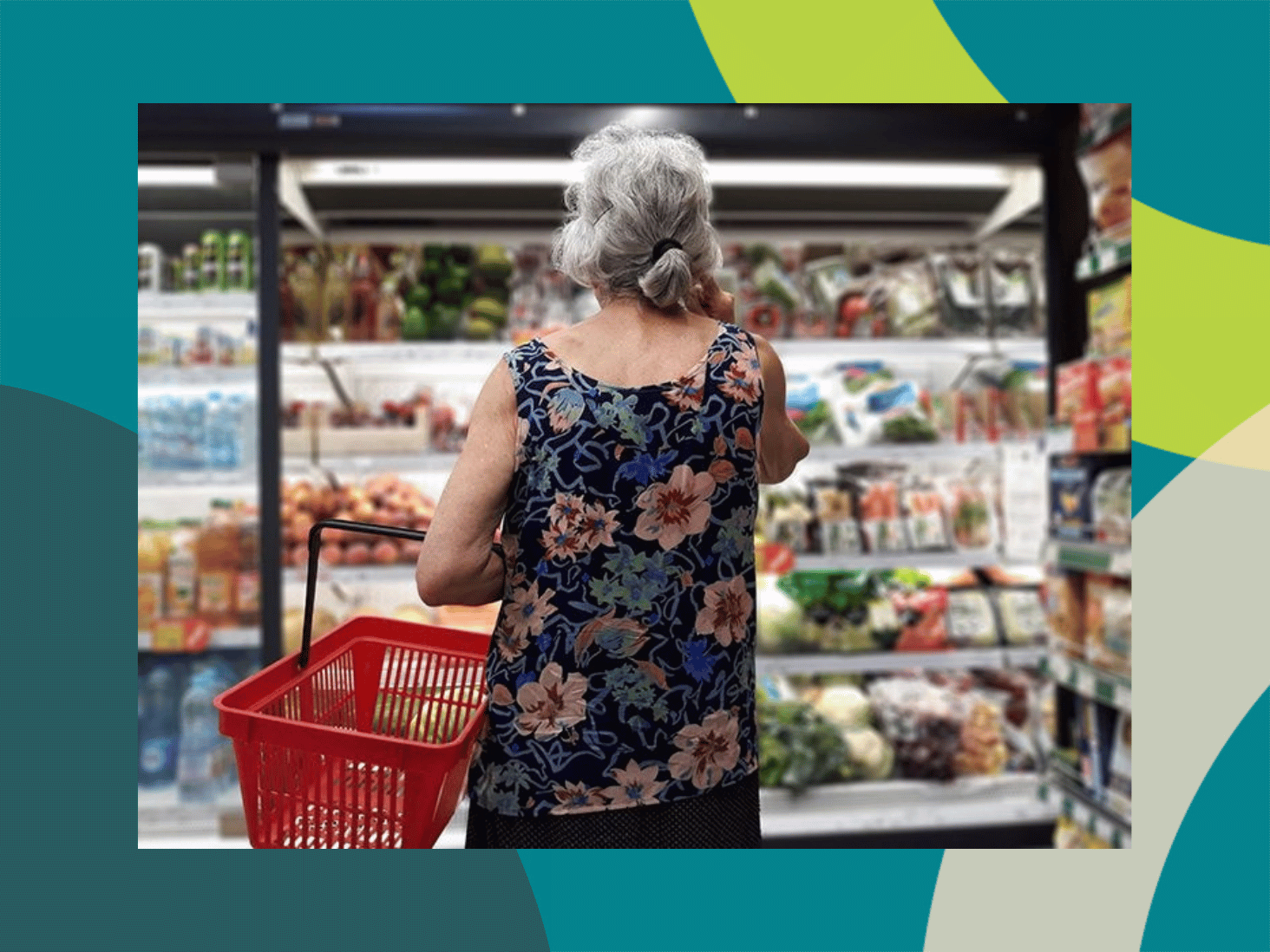
| After 60, the aim is more nourishment from a little less food |
Your metabolism, the rate your body burns energy, remains about the same from age 20 through 60. That’s what a large study found when it tracked the daily calorie burn of more than 6,000 people of all ages. After 60, it slows by a little under 1% each year, so you’ll need slightly less food as your birthdays mount up.
However, the amount of nutrients your body needs remains steady, and may even increase for some. Our updated guide to eating after 60 suggests filling half your plate with vegetables like leafy greens and broccoli and splitting the rest between protein and carbs.
Protein deserves the most attention. You lose some muscle with age, and older bodies build less new muscle from each serving of protein, so you need more of it to hold on to what you have. According to the Dietary Guidelines for Americans, a 160-pound adult (which is about 73 kilograms) should aim for between 90 and 115 grams (g) a day. Aim for around 30 g of protein per meal, rather than saving most of your protein for one meal. This helps stimulate muscle building throughout the day.
Bones start losing calcium in middle age, and women absorb less of it after menopause. That’s why women over 50 and everyone over 70 need about 1,200 milligrams of calcium a day. That’s roughly four glasses of milk, though plenty of other foods count too. Vitamin D helps you absorb calcium, and your skin makes less of it from sunlight as you age. Few foods supply very much vitamin D, so ask a healthcare professional about a supplement, especially if you live further from the equator.
Vitamin B12, which helps keep your nerves and blood cells healthy, becomes harder to absorb with age. In food, B12 comes attached to protein, and your stomach needs acid to break it loose. Many older adults make less of that acid. The B12 in fortified foods and supplements is already in an easily absorbed form, which is why the NIH advises people over 50 to get most of their B12 from those sources. FYI, a simple blood test can show where your vitamin D and B12 levels stand.
🍳 Try this: Aim for that 30-gram mark at breakfast. Two large scrambled eggs with 3 ounces of smoked salmon folded in come to just over 30 g of protein. |
|
|
| Want to learn more about food, diets, cooking, or some other nutrition subject? Let us know at nutritionedition@healthline.com, and we’ll look into it for you! (Heads-up: We may use your response in an upcoming newsletter.) |
|
|
|
 |
|
|
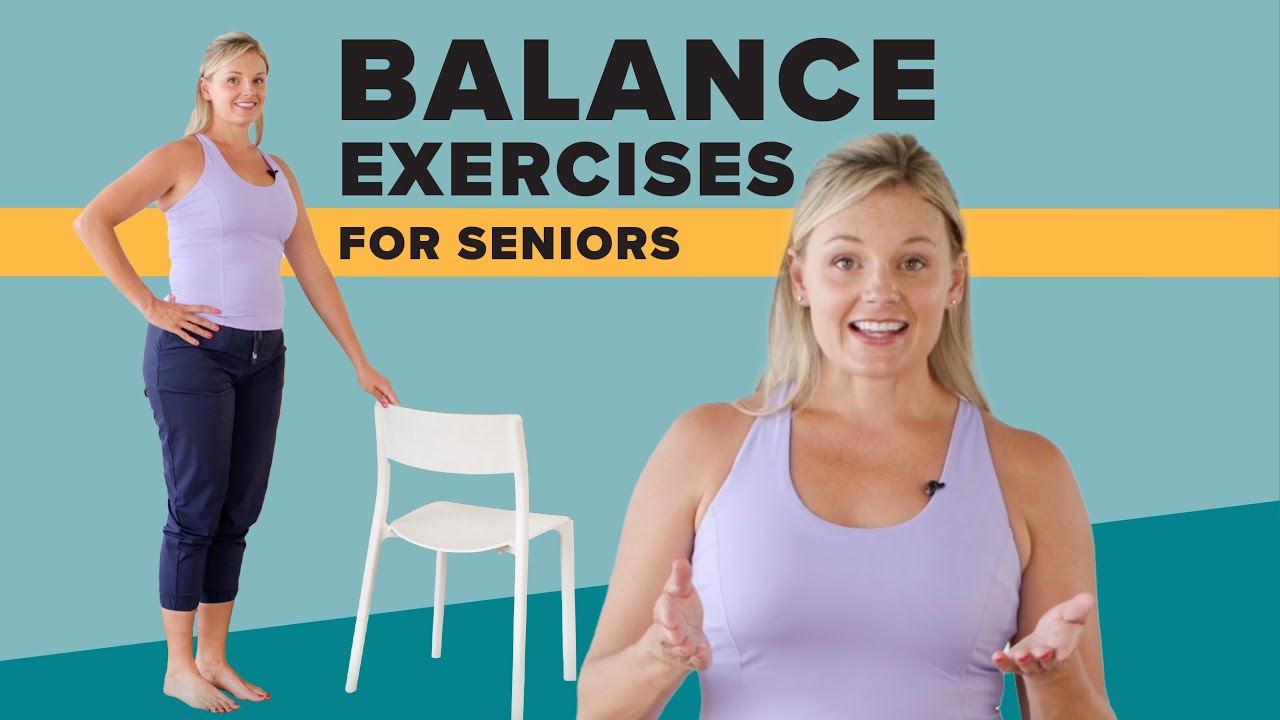
| 9 Balance Exercises for Seniors |
| Research shows that in seniors, better balance is directly correlated with a better quality of life. Practice these exercises often to keep you light on your feet! |
|
|
|
|
|
| What we’re digesting |
| 💡 Breast Cancer: Symptoms, Stages, Types, and More |
| 🤍 Prostate-Specific Antigen (PSA) Levels by Age |
| 👟 The Best Fitness Trackers to Wear This Fall |
| 🕣 8-Hour Eating Window Linked to Greater Weight Loss |
|
| Until next time, |
 |
Take care of yourself, and we’ll see
you again soon! |
|
|
| |
 |
| This edition was powered by |
| cheese and a pickle. |
|
|
|
|
View in browser
Did a friend send you this email? Subscribe here.
To see all newsletters, click here.
Privacy | Update Preferences or Unsubscribe
We may feature your messages to our inbox within our content. Please do not provide any personal identifiable information. Replies may be edited for length and clarity. For more, see our Privacy Policy.
Our website services, content, and products are for informational purposes only. Healthline does not provide medical advice, diagnosis, or treatment and should not be used as a substitute for medical advice from a healthcare professional. Healthline encourages you to make any treatment decisions with your healthcare professional.
Every product we recommend has gone through either Healthline’s or Optum Now’s vetting processes. If you buy through links on this page, we may receive a small commission or other tangible benefit. Healthline has sole editorial control over this newsletter. Potential uses for the products listed here are not health claims made by the manufacturers. Healthline and Optum Now are owned by RVO Health.
© 2026 RVO Health
1101 Red Ventures Drive
Fort Mill, SC 29707 |
|
|
If you believe this has been sent to you in error, please safely unsubscribe.